Understanding the Importance of a Loyalty Program
In today’s competitive marketplace, small businesses need every advantage they can get to retain customers. Implementing a loyalty program can be a game-changer, particularly for businesses looking to build long-term relationships with their patrons. A well-structured loyalty program not only incentivizes repeat visits but also enhances customer satisfaction by rewarding them for their loyalty. When exploring options, loyalty program architectures can provide comprehensive insights into how to implement an effective strategy tailored to your specific business needs.
What is a Loyalty Program?
A loyalty program is a structured marketing strategy designed to encourage repeat business and foster customer allegiance by providing rewards. This can be in the form of points, discounts, exclusive offers, or special treatment. The overarching goal is to enhance customer retention by turning one-time buyers into repeat customers, thereby increasing the lifetime value of each customer.
Why Every Small Business Needs a Loyalty Program
For small businesses, attracting new customers can be a costly endeavor. A loyalty program effectively lowers customer acquisition costs by incentivizing existing customers to return. According to a study by Bond Brand Loyalty, loyal customers spend 67% more than new customers. This statistic underlines the necessity of establishing a loyal customer base, which can be achieved through well-thought-out loyalty programs.
Key Benefits of Implementing Loyalty Programs
- Increased Customer Retention: By rewarding repeat business, loyalty programs encourage customers to return.
- Enhanced Customer Experience: Personalized rewards can significantly improve customer satisfaction.
- Data Collection: Loyalty programs offer insights into customer preferences and behaviors, allowing businesses to tailor their services effectively.
- Competitive Advantage: In markets saturated with options, loyalty programs can differentiate your business from competitors.
Types of Loyalty Programs for Small Businesses
Points-Based Systems and Their Effectiveness
Points-based loyalty programs are popular due to their simplicity and effectiveness. Customers earn points for every purchase, which can later be redeemed for rewards. This creates a tangible incentive for customers to shop more often, as they see their points accumulating and can visualize their rewards.
Stamp Cards: Simplified Rewards for Customers
Stamp cards represent a traditional but effective method of encouraging customer loyalty. Every time a customer makes a purchase, they receive a stamp. After a certain number of stamps, they receive a reward, such as a free item or discount. This straightforward system appeals to customers’ desire for simplicity.
Cashback and Fixed Discounts Explained
Cashback loyalty programs give customers a percentage of their spending back in the form of credits for future purchases. This not only encourages them to spend more but also gives them a reason to return. Similarly, fixed discounts provide immediate savings and can be an attractive option for customers looking for value.
How to Set Up Your Digital Loyalty Program
Rapid Onboarding Steps for Small Businesses
Setting up a digital loyalty program can be streamlined into a few simple steps. First, choose a loyalty platform that aligns with your business goals. Next, create a program structure that is easy to understand and appealing to your customers. Finally, promote your loyalty program through various channels, including social media and in-store signage, to ensure your customers are aware of its benefits.
Using QR Codes to Streamline Customer Engagement
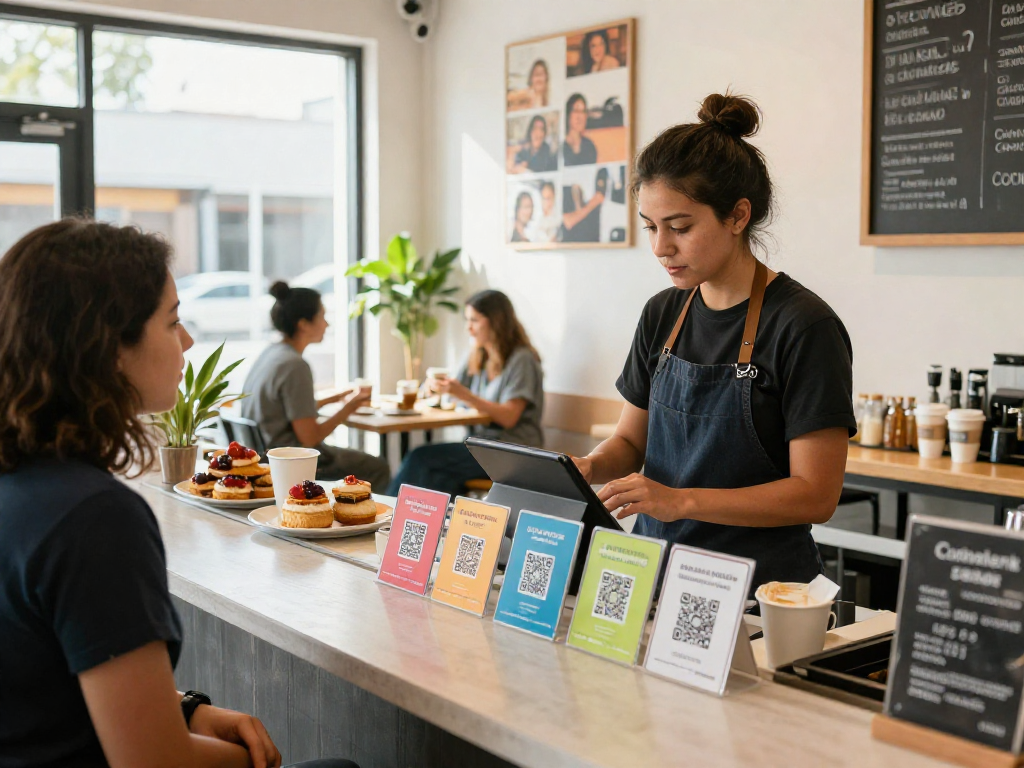
QR codes are a modern solution for promoting loyalty programs, allowing customers quick access to their rewards. By scanning a QR code at checkout, customers can log their purchases and instantly see their earned points or rewards. This technology not only enhances user experience but also helps businesses gather valuable data on customer interactions.
Customization Options for Your Loyalty Application
Customizing your loyalty application enhances its effectiveness. Consider elements like personalized rewards, tiered benefits, and seasonal promotions to keep the program fresh and engaging. Many platforms, such as BonusQR, offer extensive customization options to tailor the app to your specific business needs.
Promoting Your Loyalty Program Effectively
Leveraging Social Media for Awareness
Social media platforms are powerful tools for promoting your loyalty program. By creating engaging content that highlights the benefits of joining your program, you can not only attract new customers but also keep existing ones informed. Regular updates and interactive content can boost engagement and drive participation in your loyalty program.
Email Marketing Strategies for Loyalty Promotions
Email campaigns can effectively promote your loyalty program. Consider sending personalized messages highlighting rewards, upcoming promotions, and exclusive offers for loyal customers. A well-timed email can remind customers to return and take advantage of their rewards.
Automating Notifications and Special Offers
Automation is crucial for maintaining engagement with your loyalty program members. Use automated notifications to remind customers about their points balance, upcoming promotions, and special events. This consistent communication fosters a sense of connection and urgency, encouraging customers to visit your business more frequently.
Measuring Success and Optimizing Your Loyalty Program
Analytics Tools to Track Customer Interaction
To measure the success of your loyalty program, leverage analytics tools that can track key performance indicators such as customer retention rates, redemption rates, and the average spend of loyalty members versus non-members. This data is invaluable for identifying what is working and what needs adjustment.
Collecting Feedback for Continuous Improvement
Feedback is essential for the ongoing success of any loyalty program. Solicit feedback from customers about what they enjoy and what could be improved. This can be done through surveys or direct communication, providing insights to help refine the program continually.
Future Trends in Loyalty Programs for 2026 and Beyond
Looking ahead, loyalty programs will likely become more integrated with technology, utilizing AI and machine learning to personalize customer experiences further. Programs will also likely focus on social responsibility, as consumers increasingly favor brands that align with their values.
What Results Should You Expect from Your Loyalty Program?
When effectively implemented, a loyalty program can lead to significant increases in customer retention and lifetime value. For more information, loyalty program offers valuable insights. Businesses can expect to see higher transaction frequency, increased average order value, and improved customer satisfaction rates as they cultivate loyalty among their patrons.