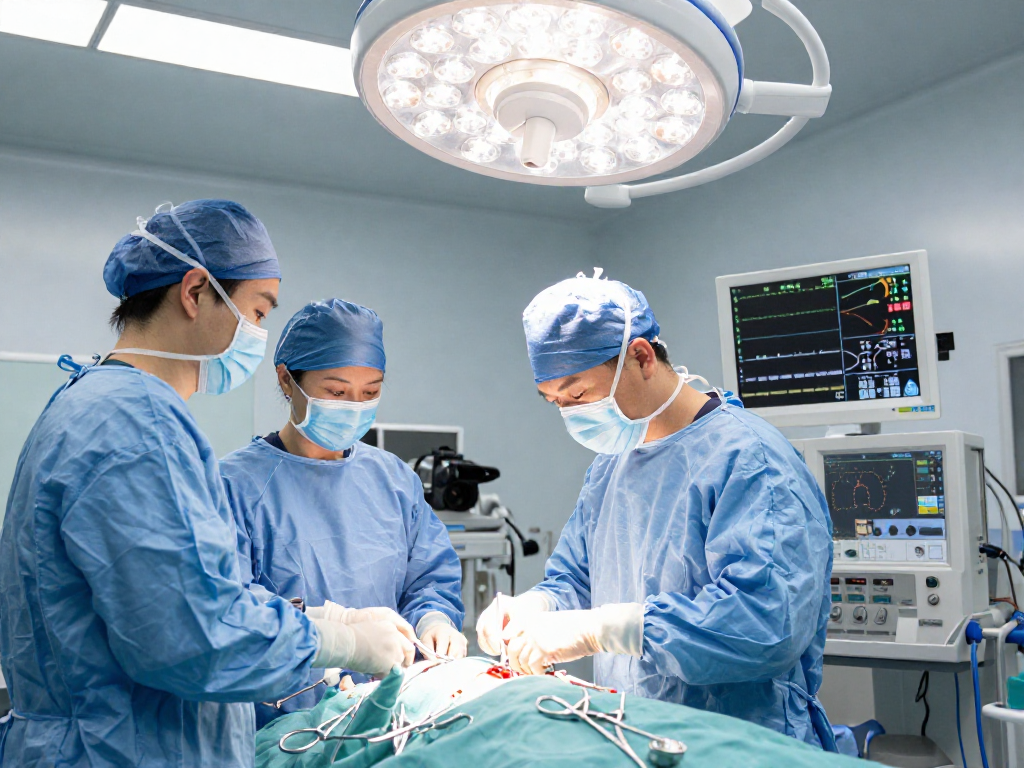
Understanding Bel fıtığı and Its Impact
Bel fıtığı, also known as herniated disc, is a condition that can lead to significant discomfort and disruption in daily life. The ailment occurs when a disc in the spine is displaced or protrudes, leading to pressure on nearby nerves. This often results in pain that can radiate down the leg, known as sciatica. The severity of symptoms can vary from mild discomfort to debilitating pain, which may necessitate surgical intervention. Understanding the stages of bel fıtığı and its potential impact is crucial for timely treatment and recovery.
What is Bel fıtığı?
Bel fıtığı refers to the herniation of a spinal disc in the lumbar region, typically between the L4-L5 or L5-S1 vertebrae. This happens when the soft inner gel of the disc leaks through a tear in the tougher exterior, often due to aging, injury, or repetitive strain. The protruding material can press on spinal nerves, causing pain, numbness, or weakness in the legs and lower back.
Symptoms and Causes of Bel fıtığı
Common symptoms of bel fıtığı include:
- Lower back pain
- Pain radiating down one leg
- Numbness or tingling sensations
- Muscle weakness
Causes can vary, with primary factors including:
- Age-related degeneration of discs
- Improper lifting techniques
- Excess body weight
- Genetic predisposition
Importance of Early Diagnosis
Early diagnosis of bel fıtığı is critical to prevent further complications. Delayed intervention may lead to chronic pain or nerve damage. For instance, if a patient experiences significant symptoms that resist conservative treatment, such as physical therapy and medication, it may indicate the need for a surgical solution. Bel fıtığı ameliyatı can provide effective relief and restore mobility when necessary.
When is Bel fıtığı Ameliyatı Necessary?
Deciding when to opt for surgery involves careful consideration of various factors, including the severity of symptoms, response to non-surgical treatments, and overall health status of the patient.
Indicators for Surgical Intervention
Common indicators suggesting the need for surgical intervention include:
- Persistent pain despite comprehensive non-surgical treatments
- Significant weakness in the limbs
- Loss of bladder or bowel control, indicative of serious conditions such as Cauda Equina Syndrome
Risks of Delaying Treatment
Delaying treatment can lead to complications such as chronic pain and further nerve damage. For example, if patients ignore severe symptoms, they might experience permanent neurological deficits, such as foot drop, which can significantly impair mobility.
Patient Case Studies
Numerous case studies illustrate the impact of timely surgical intervention. For instance, a patient with Cauda Equina Syndrome who underwent surgery within 24 hours of symptom onset had a far better recovery outcome compared to those who waited longer.
Benefits of Minimally Invasive Surgery
Minimally invasive surgical options have transformed the landscape of bel fıtığı treatment, offering numerous advantages over traditional open surgery. With advancements in technology, patients can benefit from quicker recovery times and reduced postoperative pain.
Advantages of Bel fıtığı Ameliyatı
The main advantages of modern surgical techniques include:
- Smaller incisions leading to less tissue damage
- Shorter recovery periods
- Reduced risk of complications such as infections and excessive blood loss
Recovery Expectations and Timeline
Typically, patients who undergo minimally invasive surgery can expect to return to their normal activities within a few days to weeks, depending on their individual health and the extent of the procedure.
Comparative Analysis: Traditional vs. Minimally Invasive Techniques
While traditional open surgery requires larger incisions, resulting in extended healing time and discomfort, minimally invasive techniques use small incisions, which facilitate quicker recoveries. Moreover, studies indicate lower complication rates associated with minimally invasive surgeries.
Post-Surgery Care and Rehabilitation
Post-operative care is crucial in ensuring optimal recovery after bel fıtığı ameliyatı. This includes pain management, physical therapy, and lifestyle modifications.
Essential Recovery Tips
Some essential recovery tips include:
- Follow a structured physical therapy plan as advised by physicians
- Maintain a healthy weight to alleviate stress on the spine
- Be aware of changes in pain levels and report them to healthcare providers
Physical Therapy After Surgery
Physical therapy plays a pivotal role in recovery. It helps to strengthen surrounding muscles and improve flexibility, which can ultimately enhance long-term outcomes.
Long-Term Outcomes and Lifestyle Changes
Long-term recovery may involve lifestyle changes such as incorporating regular exercise to strengthen the back and adopting ergonomic practices at work. Patients should also remain vigilant about their posture and body mechanics.
Future Trends in Bel fıtığı Treatment
As we move into 2026 and beyond, advancements in technology and surgical techniques will continue to shape the treatment landscape for bel fıtığı.
Innovations in Surgical Techniques
Emerging techniques, including robotic-assisted surgeries and enhanced imaging modalities, are set to revolutionize precise interventions and recovery outcomes.
2026 Predictions for Spinal Health Interventions
By 2026, it is predicted that more patients will opt for outpatient procedures, further minimizing the need for hospital stays while maximizing quality care.
Expert Insights on Emerging Treatments
Experts suggest that future treatments may also focus on regenerative medicine and the use of stem cells to promote faster recovery and healing.
What are the most common signs of Bel fıtığı?
Common signs include severe lower back pain, increased pain during certain activities, and numbness or weakness in the legs.
How long does the recovery from Bel fıtığı ameliyatı take?
Recovery typically ranges from a few days to several weeks, depending on individual factors and adherence to rehabilitation protocols.
Are there non-surgical options for treating Bel fıtığı?
Yes, options such as physical therapy, chiropractic treatment, and medication may provide relief for many patients without requiring surgery.
What risks are involved in Bel fıtığı surgery?
Potential risks include infection, blood clots, and nerve damage. However, these risks are generally minimal with modern surgical techniques.
How does Bel fıtığı affect daily activities?
Bel fıtığı can significantly impact daily activities, making simple movements painful and challenging. For more information, Bel fıtığı ameliyatı offers valuable insights. Patients may struggle with tasks that require bending, lifting, or prolonged sitting.